Dubai real estate vs global markets 2025
CategoriesDubai Real Estate

Dubai Real Estate vs. Global Markets: Why Dubai Outperforms in 2025

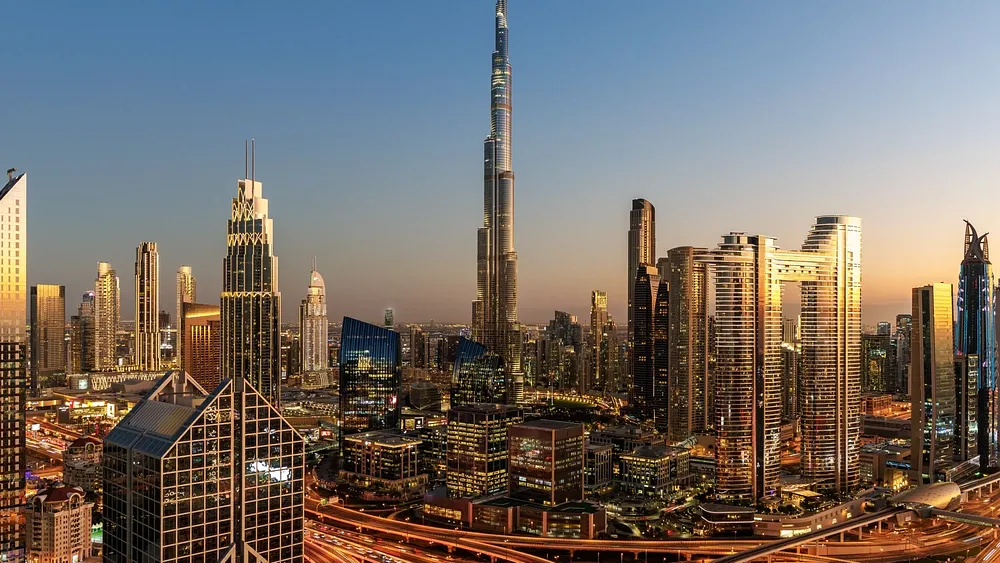
As global property markets grapple with slowing growth, tighter financing conditions, and shifting investor priorities, Dubai continues to defy the trend. Over the past few years, the emirate has emerged as a magnet for global investors, delivering strong returns, resilient demand, and unmatched lifestyle offerings.

In this article, AIM Properties compares Dubai real estate to other global markets and explains why the city continues to shine as a leading property investment destination.


1. Affordability vs. Value

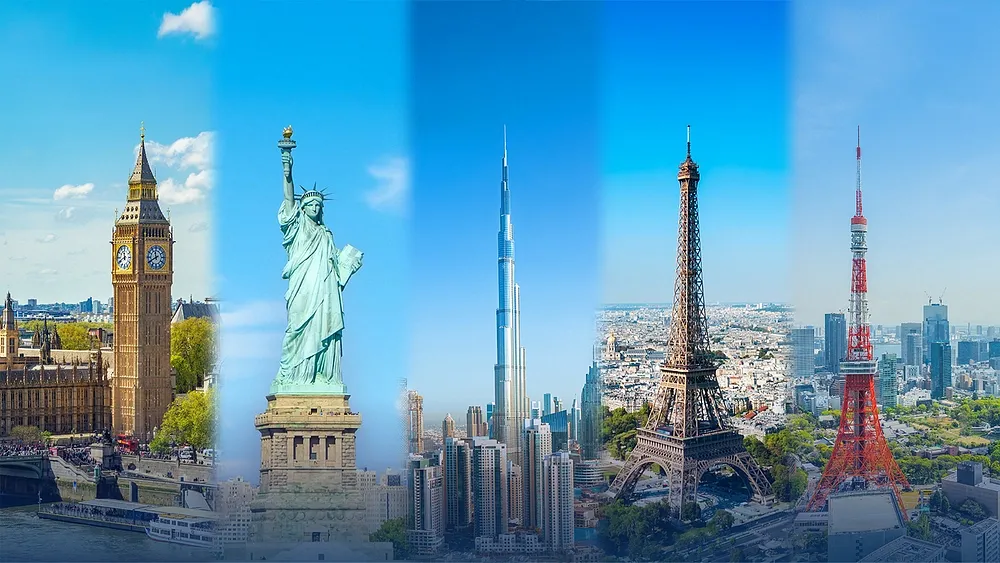
  • Dubai: Despite price growth, Dubai still offers competitive price-per-square-foot compared to global hubs like London, New York, or Hong Kong. Luxury waterfront apartments in Dubai can be purchased at a fraction of the cost of similar properties in these cities.

  • Global Markets: In mature cities like London or Paris, affordability is a growing challenge. High acquisition costs limit both end-user and investor entry, often reducing rental yields.

👉 Why Dubai shines: High-quality lifestyle at a relatively lower price point, combined with strong capital appreciation potential.


2. Rental Yields & Returns

  • Dubai: Gross rental yields typically range 6%–9%, outperforming global markets such as London (2%–3%) or New York (3%–4%). Demand from expatriates, coupled with rising population growth, sustains healthy leasing activity.

  • Global Markets: While stable, yields in Western capitals are compressed due to high prices, making them less attractive to yield-focused investors.

👉 Why Dubai shines: Investors enjoy stronger cash flow and better ROI.


3. Regulatory & Tax Environment

  • Dubai: No annual property taxes, no capital gains tax, and investor-friendly regulations. Initiatives like long-term visas for property owners reinforce Dubai’s status as an investment hub.

  • Global Markets: High stamp duties, property taxes, and capital gains taxes in cities like Sydney, London, and Singapore often reduce net profitability.

👉 Why Dubai shines: A transparent and tax-efficient environment attracts global capital.


4. Economic & Demographic Growth

  • Dubai: A thriving economy, backed by diversification beyond oil—finance, tourism, logistics, and tech are booming sectors. Population is expanding, surpassing 4 million in 2025, with ambitious goals under Dubai Urban Master Plan 2040.

  • Global Markets: Many advanced economies are facing slower GDP growth, aging populations, and shrinking household formation.

👉 Why Dubai shines: Young demographics, strong migration inflows, and government-led infrastructure projects fuel sustained housing demand.


5. Lifestyle & Global Appeal

  • Dubai: Safe, cosmopolitan, and globally connected. With world-class healthcare, education, retail, and leisure, Dubai has become a lifestyle destination for both investors and residents.

  • Global Markets: While established cities boast heritage and cultural depth, they often face challenges like congestion, higher crime rates, and limited new development.

👉 Why Dubai shines: A future-forward city with luxury, safety, and convenience at its core.


6. Liquidity & Transaction Volume

  • Dubai: Q3 2025 alone recorded 52,853 transactions worth AED 132.8 billion, showing robust investor participation and high market liquidity.

  • Global Markets: Property sales have slowed in many cities due to rising mortgage rates and tighter lending conditions.

👉 Why Dubai shines: Consistently strong transaction activity offers confidence to investors about liquidity and exit opportunities.


Conclusion

Dubai’s real estate market outperforms many global property hubs by offering affordability, higher rental yields, tax advantages, robust demand, and unmatched lifestyle appeal. While other markets are weighed down by stagnation or excessive costs, Dubai positions itself as a sustainable and future-ready investment hub.

At AIM Properties, we believe Dubai’s shine is not temporary—it’s a long-term glow. For investors seeking capital growth, reliable returns, and lifestyle value, Dubai is not just competitive with global markets—it is setting the benchmark.
Dubai Real Estate Market Report Q3 2025 by AIM Properties
CategoriesDubai Real Estate

Dubai Real Estate Market Report Q3 2025 by AIM Properties

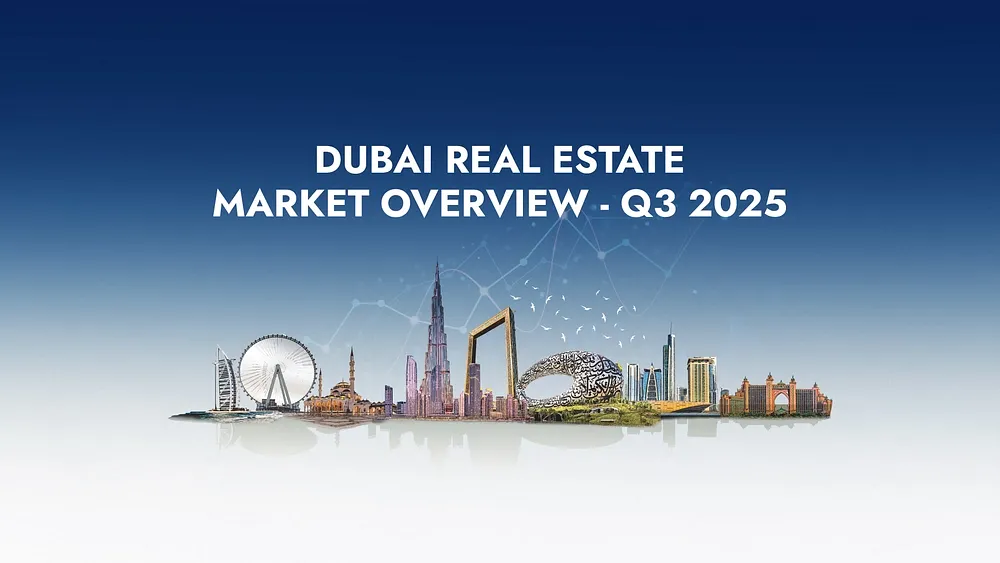
The third quarter of 2025 has proven to be yet another milestone for Dubai’s real estate sector, defying seasonal patterns and continuing its upward trajectory. Backed by strong demand from both local and international buyers, robust liquidity, and favorable regulatory conditions, Dubai’s property market remains one of the most dynamic globally.

In this report, AIM Properties presents a detailed overview of Q3 2025 performance: transaction volumes, price trends, segment breakdowns, supply dynamics, rental yields, and future outlook.


1. Market Snapshot & Key Metrics

  • Dubai recorded 52,853 transactions in Q3 2025, valued at AED 132.8 billion (~USD 36.2 billion). Zawya+1

  • Compared with Q3 2023, transaction volume surged ~60.8%, underscoring strong year-on-year growth. Arabian Business+1

  • The average price per sq. ft. reached AED 1,913, up from AED 1,629 in Q3 2023—a ~17.4% increase. Arabian Business+1

  • Price growth, though significant, lags the rate of transactional growth, pointing to more demand than mere speculative premium pricing. Zawya+1

These headline figures reflect a healthy combination of high activity and moderate price acceleration—signals of momentum, not overheating (yet).


2. Segment Analysis

2.1 Residential — Apartments & Villas

  • Apartments / mid-rise / high-rise continued to dominate transaction share. Submarkets such as JVC (Jumeirah Village Circle), Business Bay, and Dubai Marina featured among the most active zones. Zawya+2Mieyar UAE+2

  • Villas and townhouses saw sustained interest, especially in communities like MBR City, Dubai Hills, and DAMAC Lagoons. Four-bedroom villas were particularly in demand. Zawya

  • Off-plan projects continue to lead in both value and volume, thanks to flexible payment plans, price advantages, and future capital appreciation expectations. Mieyar UAE+3Realtree Properties+3Arabian Business+3

2.2 Commercial & Other Sectors

While residential remains the focal point, the commercial and mixed-use segments have benefited from spillover demand, especially in retail and logistics space. International businesses and regional expansions continue to fuel interest in office leasing and co-working spaces.


3. Supply, Deliveries & Inventory

  • The pipeline of new units—especially for handover in 2025 and 2026—is considerable, with estimates crossing 80,000+ units scheduled for delivery. Arabian Business+3Zawya+3Mieyar UAE+3

  • New supply is more concentrated in periphery and emerging communities, intended to relieve price pressure in mature zones while offering upside potential for capital growth. Realtree Properties+2Mieyar UAE+2

  • That said, rising supply raises the possibility of moderation—especially in mid-tier apartments where absorption may slow. Realtree Properties+1


4. Rental Yields & Demand from Tenants

  • Dubai continues to offer competitive gross rental yields, often ranging in the ~6%–9% bracket (depending on location, unit type, and amenities).

  • The demand side remains strong: many end-users are transitioning from renting to owning, especially in light of rising rental pressure and expectations of further capital growth.

  • Short-term and holiday rental markets also remain a draw in key zones close to tourism hubs, boosting effective yields.


5. Drivers & Risks

5.1 Key Growth Drivers

  • Population growth & expatriate inflows: Dubai’s population is edging past the 4 million mark, increasing housing demand across segments. Zawya+1

  • International capital & liquidity: Dubai remains an accessible haven for global capital, thanks to favorable tax and regulatory structures.

  • Government support & regulation: Initiatives such as streamlined transactions, visa incentives, and infrastructure development (Urban Master Plan 2040) help undergird confidence. Zawya+2Arabian Business+2

5.2 Risks & Moderators

  • Oversupply risk: The large pipeline of new units, especially apartments, could outpace demand in some segments, leading to price cooling or longer absorption periods. Arabian Business+3Realtree Properties+3Mieyar UAE+3

  • Interest rate environment / financing constraints: If global or local borrowing costs rise, buyers may hesitate, particularly in speculative or leveraged purchases.

  • Macro-economic headwinds: Global economic shocks, currency fluctuations, or volatile energy prices could indirectly pressure investor sentiment.

  • Speculative volatility: Some flips and short-term speculative plays may face challenges in a more measured market.


6. AIM Properties’ Insights & Strategic Outlook

At AIM Properties, we see Q3 2025 as a continuation of Dubai real estate’s strong momentum—but with signs that the market is maturing and evolving from pure momentum to structural strength.

What we recommend for stakeholders:

  • For investors: Favor premium and “future-proof” assets (smart buildings, sustainable design, prime locations). Be cautious in saturated submarkets.

  • For end-users / homebuyers: Consider locking in interest rates and securing units in high-upside communities.

  • For developers: Emphasize quality, design, and phased delivery. Focus on differentiation (amenities, tech, sustainability) to stand out.

  • For policy-makers: Monitor absorption rates, avoid speculative excess, and maintain infrastructure investment to support expanding urban sprawl.

Looking ahead, we anticipate:

  • Moderated price growth in Q4 as supply begins to weigh in, especially in mid-tier segments.

  • Continued strength in luxury, branded residences, waterfront, and villa markets.

  • More consolidation and partnerships in the sector, especially for projects combining commercial, retail, hospitality, and residential (mixed use).


Conclusion

Q3 2025 has reaffirmed Dubai’s status as one of the most vibrant real estate markets globally. With strong transactions, rising prices, and continued investor interest, Dubai is not merely riding a cycle—it’s entering a more mature growth phase.

However, this trajectory must be tempered with prudent planning, sensitivity to supply dynamics, and a focus on sustainable value. As AIM Properties, we remain committed to guiding clients—investors, homebuyers, and developers—through this evolving landscape with clarity, data, and foresight.

Top Areas to Buy Off-Plan Townhouses in Dubai 2025
CategoriesBlog

Top Areas to Buy Off-Plan Townhouses in Dubai 2025

Dubai’s real estate market continues to attract global investors, and off-plan townhouses remain one of the hottest property choices in 2025. They combine affordability, flexible payment plans, and high potential for capital appreciation. If you are considering buying off-plan, here are the top communities in Dubai to watch this year.


1. Dubai South ✈️

Dubai South is rapidly transforming into a hub for business and residential living thanks to its proximity to Al Maktoum International Airport and Expo City Dubai. Developers are offering attractive townhouse projects with:

  • Affordable entry prices

  • Family-friendly layouts

  • Easy connectivity to highways

Why buy? Investors see Dubai South as the next growth corridor, with steady rental demand expected in the next decade.


2. The Valley by Emaar 🌿

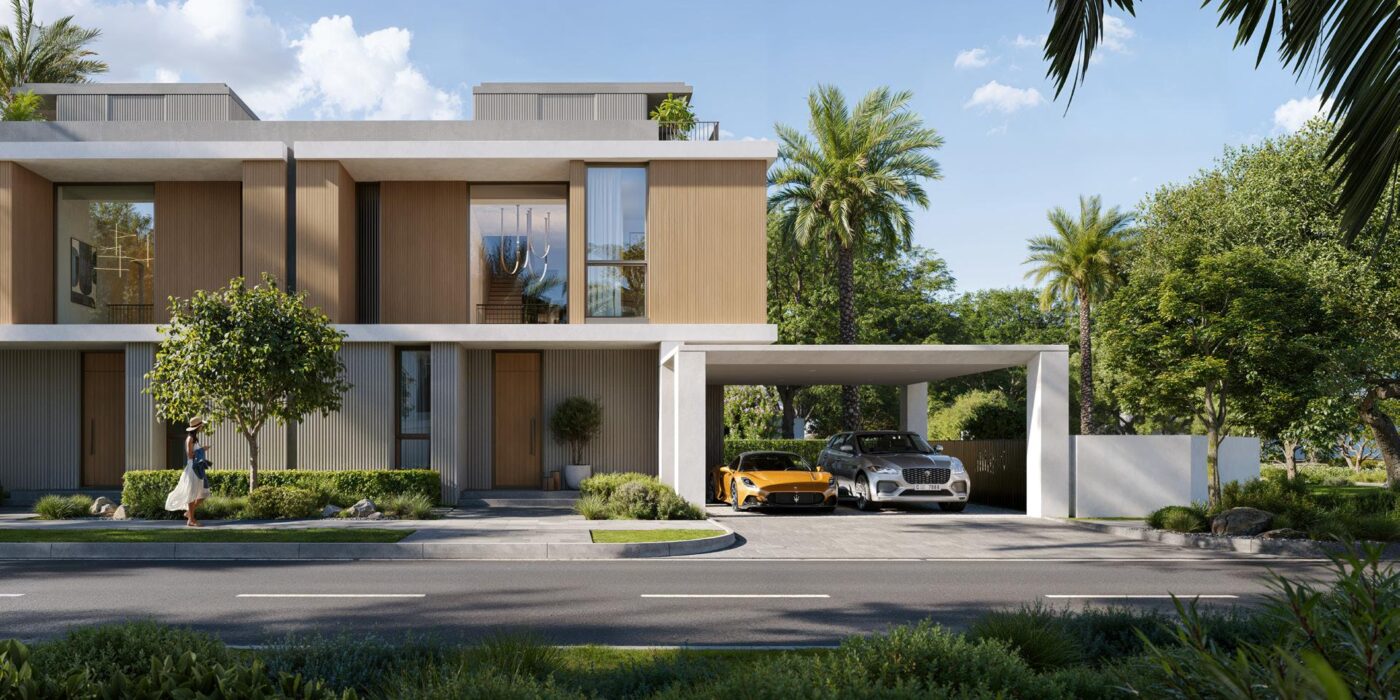
A master community designed for families, The Valley offers modern townhouses with green spaces, parks, and community retail. Projects like Eden and Nima have gained strong traction.

Why buy? Off-plan prices are competitive, and Emaar’s reputation ensures trust, making it ideal for end-users and long-term investors.


3. Arabian Ranches III 🏡

Known as one of Dubai’s most established townhouse communities, Arabian Ranches III continues to expand in 2025 with phases like Anya and Bliss.

Why buy? It offers a mix of lifestyle and strong ROI. Townhouses here enjoy high rental demand due to their family-friendly environment and established infrastructure.


4. Damac Lagoons 🌊

Inspired by Mediterranean themes, Damac Lagoons is one of the most in-demand communities in Dubai. Its clusters, such as Venice and Malta, feature townhouses surrounded by lagoons, beaches, and luxury amenities.

Why buy? The lifestyle appeal combined with competitive payment plans makes it one of the fastest-selling off-plan communities in Dubai.


5. Dubailand 🏙️

Dubailand is a large-scale destination offering affordable townhouse projects from multiple developers. With upcoming schools, malls, and leisure facilities, it’s becoming a sought-after address.

Why buy? Affordable price points and long-term potential appreciation.


6. Jumeirah Village Circle (JVC) 🔑

While best known for apartments, JVC is now seeing new townhouse developments in 2025. With its central location and high rental yields, JVC townhouses are attractive for both investors and end-users.

Why buy? The community offers a balance of affordability and city connectivity.


Conclusion

In 2025, Dubai continues to offer a wide selection of off-plan townhouses across well-planned communities. Whether you’re looking for lifestyle, rental income, or long-term capital gains, areas like Dubai South, The Valley, and Damac Lagoons stand out as strong investment choices.

💡 Pro Tip: Always review the developer’s track record, payment plan, and community master plan before committing to an off-plan investment.

AIM Properties, we don’t just sell homes, we guide dreams, build trust, and empower investors. With a deep-rooted presence in the Dubai real estate market, we specialize in residential, commercial, and off-plan properties, offering unmatched expertise, transparency, and results

GET IN TOUCH

The Citadel, Office 2910,
Business Bay Dubai,
P.O. Box: 282164, Dubai

+971 4 369 5383

info@aimproperties.ae

Newsletter

Get latest news & update

© AIM Real Estate Brokers LLC – All rights reserved

can we use this for our website CTA

Please enable JavaScript in your browser to complete this form.